How to Leverage AI for Personalized Audience Engagement in 2025

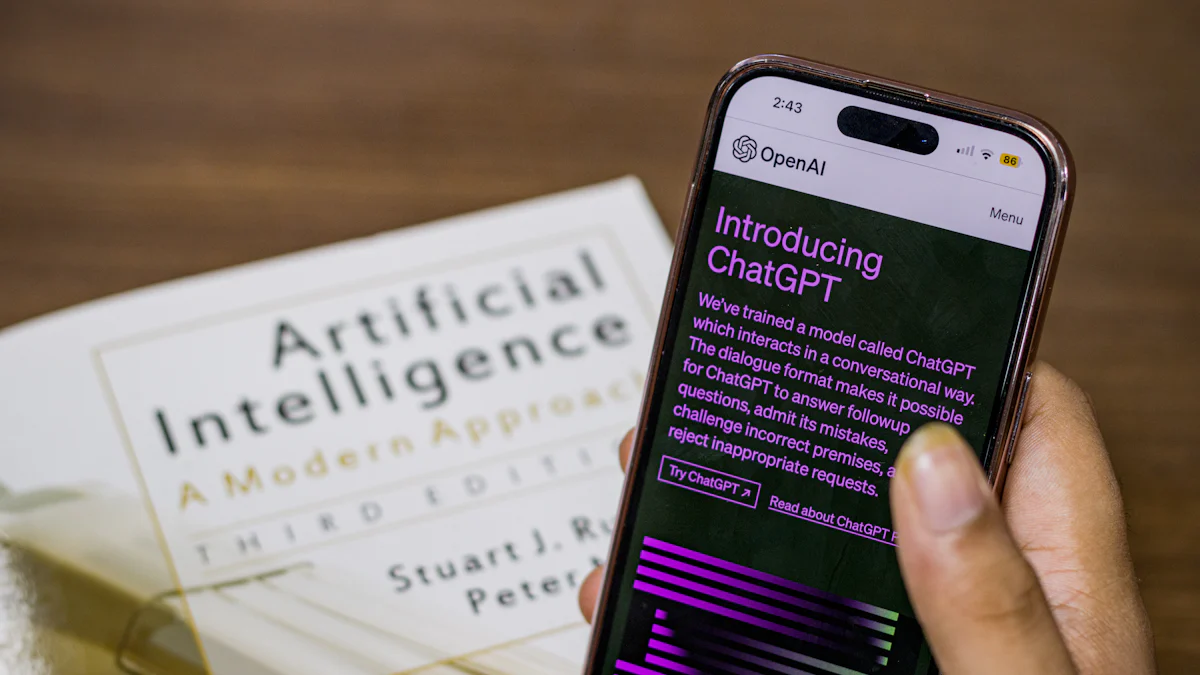
Artificial intelligence (AI) is changing how you connect with your audience. It’s no longer just about selling products—it’s about creating personalized customer experiences that feel meaningful and authentic. In fact, businesses that focus on hyper-personalization are seeing up to 40% more revenue. Why? Because 80% of consumers are more likely to buy when their experience feels tailored to them.
The demand for personalized marketing has skyrocketed. By 2025, standing out in a crowded digital space will require using AI to deliver content that speaks directly to your audience’s needs. Yet, only 8% of marketers feel confident in using intent data effectively. This gap highlights the importance of mastering audience engagement technology to stay competitive.
Here’s the reality: customers expect more. They want brands to understand them, anticipate their needs, and engage with them in ways that feel human. AI makes this possible by combining real-time insights with emotional intelligence. For example, emotional AI, projected to become a $91.67 billion market, can boost customer satisfaction by 40-50%. If you’re not leveraging these tools, you risk falling behind in the race for customer engagement.
| Statistic Description | Value |
|---|---|
| Revenue increase from hyper-personalized experiences | 40% more revenue |
| Likelihood of purchase from personalized experiences | 80% of consumers |
| Projected global market for emotional AI | $91.67 billion |
| Increase in customer satisfaction from emotion recognition | 40-50% |
| Year-over-year increase in customer retention with omnichannel strategies | 91% higher |
The future of marketing is here, and it’s powered by AI. Are you ready to embrace it?
The Role of AI in Personalized Customer Experiences

How AI Enhances Audience Engagement Technology
AI is revolutionizing how you connect with your audience. It’s no longer about guessing what your customers want—it’s about knowing. AI in marketing uses real-time data to understand behaviors, preferences, and even emotions. This means you can deliver personalized customer experiences that feel authentic and timely.
Think about it: by 2025, AI could handle up to 70% of customer interactions without human intervention, while improving satisfaction by 30%. Whether it’s a chatbot answering questions or a recommendation engine suggesting products, AI ensures every interaction feels tailored. Retailers, for example, are already using AI to predict what shoppers want based on their browsing history. This level of contextual personalization keeps customers engaged and coming back for more.
Key Capabilities of AI in Marketing
Real-time data collection and analysis
AI thrives on real-time data. It collects and analyzes customer data as it happens, giving you insights into what your audience wants right now. For instance, AI can track how users interact with your website or app and adjust their experience instantly. This isn’t just about speed—it’s about relevance. When you know what your customers are doing in the moment, you can respond with offers or content that feels perfectly timed.
Predictive analytics for tailored recommendations
AI doesn’t just react; it predicts. Using data analytics, AI can forecast what your customers might need next. Banks, for example, use predictive analytics to suggest financial products based on spending habits. Similarly, healthcare providers create personalized treatment plans by analyzing medical histories. These tailored recommendations make your audience feel understood, which builds trust and loyalty.
Dynamic content optimization
AI takes personalization to the next level by optimizing content dynamically. It adjusts what your audience sees based on their preferences, location, or even the time of day. Companies like Cosabella have used AI to refine their social media ads, increasing return-on-ad-spend by 50%. Whether it’s email campaigns or website banners, AI ensures your content resonates with every individual.
AI in marketing isn’t just a tool—it’s a game-changer. By leveraging real-time data, predictive analytics, and dynamic content, you can create experiences that feel personal and impactful.
Strategies for AI-Powered Marketing Success
Leveraging AI for Data-Driven Audience Segmentation
Integrating data from multiple sources
AI in marketing thrives on data. By pulling information from multiple sources—like social media, website analytics, and purchase histories—you can create a complete picture of your audience. This data-driven strategy helps you understand what your customers want and how they behave. For example, AI can analyze browsing habits and past purchases to identify high-intent audiences who are ready to buy.
With AI-driven strategies, you can go beyond basic demographics. Instead, you’ll uncover deeper insights, like what motivates your customers or when they’re most likely to engage. This approach ensures your marketing efforts hit the mark every time.
Creating adaptive audience segments
AI doesn’t just group your audience—it adapts those segments in real time. Let’s say a customer’s behavior changes. AI can automatically adjust their segment, ensuring they receive the most relevant content. Retailers often use this technique to deliver personalized promotions, boosting engagement and loyalty.
| Segmentation Strategy | Insight & Implementation |
|---|---|
| Personalization at scale | Use AI to deliver tailored experiences to large audiences. |
| Dynamic pricing | Adjust prices based on customer behavior and market trends. |
| Targeted promotions | Identify specific segments for offers that resonate. |
Dynamic Content Creation with AI
Generating personalized content at scale
Creating personalized customer engagement doesn’t have to be overwhelming. AI tools like Buffer’s AI Assistant and Narrato AI Content Genie can generate content tailored to individual preferences. Whether it’s crafting social media posts or email campaigns, these tools help you scale personalization without sacrificing quality.
AI in marketing also enables you to repurpose content effortlessly. For instance, you can turn a blog post into a video or a meme, ensuring your message reaches audiences in formats they prefer.
Optimizing delivery across platforms
Timing and placement matter. AI ensures your content reaches the right people at the right time. Tools like Mentionlytics and Meltwater monitor conversations in real time, helping you identify the best moments to engage. Meanwhile, platforms like Canva and Pictory make it easy to create visually appealing content for any channel.
Predictive Analytics for Personalized Marketing
Anticipating customer needs and preferences
Predictive analytics takes the guesswork out of marketing. By analyzing past behaviors, AI can forecast what your customers will want next. For example, Netflix uses this approach to recommend shows, saving $1 billion annually in customer retention. Similarly, Amazon generates 35% of its revenue through personalized product suggestions.
This level of personalization doesn’t just improve engagement—it builds trust. When customers feel understood, they’re more likely to stay loyal to your brand.
Proactive engagement through AI insights
AI-powered marketing goes beyond reacting to customer behavior. It helps you engage proactively. For instance, an e-commerce company can identify customers likely to abandon their carts and send them personalized discounts. Starbucks uses a similar approach, offering app-based promotions that triple marketing effectiveness.
By leveraging predictive analytics, you can reduce churn, boost conversions, and create experiences that truly resonate.
Practical Applications of AI in Audience Engagement Technology
AI-Powered Chatbots for Real-Time Interaction
Enhancing customer support with conversational AI
AI-powered chatbots are transforming how you handle customer support. They provide instant responses—often in under 30 seconds—keeping your customers happy and engaged. These chatbots can access customer profiles to retrieve past interactions, purchase history, and preferences. This allows them to offer personalized product recommendations or highlight relevant deals based on browsing behavior.
Advanced natural language processing (NLP) ensures chatbots understand the context of inquiries, delivering accurate and relevant answers. They even provide multilingual support, making it easier to connect with a global audience. Whether it’s qualifying leads, booking sales meetings, or resolving issues, chatbots streamline the process while boosting satisfaction.
Delivering 24/7 personalized assistance
Your customers expect help anytime, anywhere. AI chatbots deliver round-the-clock assistance, ensuring no query goes unanswered. During peak hours, they scale effortlessly to handle increased demand, reducing wait times and improving the overall experience. By offering consistent, personalized customer engagement, chatbots strengthen trust and loyalty.
Personalized Marketing Campaigns with AI
AI-driven email marketing and ad targeting
AI takes personalized marketing to the next level by analyzing customer data to craft tailored emails and ads. It segments audiences based on demographics, behavior, and preferences, ensuring your messages resonate. For example, AI can predict which products a customer might like and include them in an email campaign.
By delivering ads aligned with user interests and behaviors, you can drive higher engagement and conversions. AI also optimizes campaigns in real time, adjusting content and timing to maximize impact. This level of personalized ad targeting saves time and resources while boosting results.
“AI-driven marketing campaigns don’t just reach your audience—they connect with them on a personal level.”
Tailoring promotions to individual preferences
AI helps you create promotions that feel custom-made. By analyzing browsing history and purchase patterns, it identifies what your customers want. For instance, an e-commerce platform can send a discount code for a product left in a cart. These tailored promotions enhance customer engagement and encourage repeat purchases.
Automating Customer Interactions
Streamlining communication across channels
AI simplifies communication by managing interactions across platforms like email, social media, and chat. It ensures consistent responses, reducing errors and building trust. Immediate replies to common questions free up your team to focus on complex issues. This efficiency improves customer engagement and satisfaction.
Building stronger relationships through AI insights
AI uncovers hidden insights from customer data, helping you understand preferences and pain points. Real-time feedback monitoring allows you to adjust strategies instantly. Recommendation systems, like those used by Netflix and Amazon, create hyper-personalized experiences that keep customers coming back. By analyzing emotions, AI enables more empathetic interactions, strengthening relationships.
Overcoming Challenges in AI-Driven Personalization
Even with all the benefits AI brings to personalization, it’s not without its challenges. From navigating data privacy concerns to integrating new tools into existing systems, you’ll need a clear strategy to overcome these hurdles. Let’s break it down.
Addressing Data Privacy and Ethical Concerns
Ensuring compliance with regulations
When you’re using AI-powered tools, protecting customer data is non-negotiable. AI systems analyze massive amounts of personal information, which can raise red flags about privacy violations or unauthorized access. To stay compliant, you’ll need to take proactive steps. Start by conducting a Data Protection Impact Assessment (DPIA) before rolling out any AI system. This helps you identify risks early.
You should also design your AI tools with privacy in mind. This means following “privacy by design” principles, like anonymizing data and limiting access to sensitive information. Regular audits and tests will ensure your systems meet evolving data protection standards. Publishing an AI ethics charter can also show your customers that you’re serious about safeguarding their data.
Building trust through transparency
Trust is the foundation of effective personalization strategies. Be upfront about how you’re using customer data. Clear communication builds confidence. For example, explain why you’re collecting certain information and how it benefits the customer. Offering easy-to-understand privacy policies and giving users control over their data can go a long way in earning their trust.
Navigating Integration and Adoption Barriers
Aligning AI tools with existing systems
Integrating AI tools into your current setup can feel overwhelming, especially if you’re working with legacy systems. But there’s a solution. APIs and middleware can bridge the gap, allowing your new AI-powered tools to work seamlessly without requiring a complete IT overhaul.
Another common issue is poor data quality. Irrelevant or mislabeled datasets can limit AI’s effectiveness. To fix this, focus on cleaning and organizing your data before feeding it into your AI systems.
Training teams for effective AI implementation
Your team plays a critical role in making AI work. Start by assessing your business’s specific needs and tailoring training programs to match. Use a versatile Learning Management System (LMS) that combines e-learning with hands-on training. Recognized certifications can also motivate your team to complete their training and validate their skills.
Encourage collaboration between departments. When employees from different areas work together, they can share insights that improve AI outcomes. This cross-functional teamwork strengthens your overall strategy and ensures smoother adoption of AI tools.
Personalization powered by AI is within your reach, but it requires careful planning. By addressing privacy concerns and preparing your team, you’ll set yourself up for success.
Future Trends in AI-Powered Marketing
Advanced Predictive Personalization
Hyper-personalized experiences through AI
AI in marketing is evolving to deliver hyper-personalized experiences that feel tailor-made for each customer. Imagine receiving a fitness video that celebrates your progress using real-time heart rate data, like Orangetheory Fitness does. Or picture Carvana’s approach, where over a million unique videos celebrate car purchases with personal details. These examples show how AI can create moments that resonate deeply with your audience.
Spotify Wrapped is another standout. It analyzes your listening habits to craft playlists that feel like they were made just for you. This level of personalization doesn’t just engage—it builds loyalty. By 2025, you’ll see more AI-generated content, from videos to interactive elements, all designed to match individual preferences.
Anticipating audience needs with greater accuracy
AI’s ability to predict what your audience wants is becoming sharper. Predictive analytics can now anticipate customer needs with stunning accuracy. For example, optimizing customer journeys with AI can boost satisfaction by 20% and increase revenue by up to 15%, according to McKinsey. AI tools analyze real-time data to adjust campaigns instantly, ensuring your message always hits the mark.
You’ll also benefit from automated dynamic content generation. This means your marketing materials will adapt in real time to reflect customer behavior, making every interaction feel relevant and timely.
Conversational AI and Voice Technology
The rise of voice assistants in engagement
Voice assistants are changing how customers interact with brands. They allow users to engage naturally, using everyday language. Businesses are optimizing content for voice search to stay competitive, ensuring their messaging aligns with how people speak. This shift makes interactions more conversational and personal.
Creating seamless conversational experiences
Voice assistants and conversational AI are making customer interactions smoother than ever. They streamline processes, enhance engagement, and even contribute to sustainability by managing energy usage in smart homes.
| Benefit | Description |
|---|---|
| Enhanced Customer Interactions | Chatbots and voice assistants make communication more engaging and efficient. |
| Improved Service Delivery | They simplify processes, ensuring seamless and effective customer experiences. |
| Contributions to Sustainability | Smart AI systems promote energy efficiency in homes and businesses. |
By 2025, these tools will become essential for creating seamless, personalized experiences that keep your audience engaged.
AI-Driven Emotional Intelligence
Understanding audience sentiment through AI
AI is learning to read emotions, and it’s a game-changer for audience engagement. Sentiment analysis connects you to the emotional pulse of your customers. This helps you create campaigns that resonate on a deeper level. For example, AI can measure emotional reactions to your content and refine it to better align with your audience’s feelings.
This emotional connection builds trust and loyalty. When customers feel understood, they’re more likely to stick with your brand.
Adapting interactions based on emotional cues
AI doesn’t just understand emotions—it adapts to them. Picture a ride-sharing app that adjusts in-car features like lighting or music based on your mood. Or imagine a customer service call where AI detects frustration and guides the agent to respond with empathy.
Platforms like Netflix and Spotify are already using emotional AI to recommend content that matches your mood. This level of personalization makes every interaction feel meaningful. By 2025, emotional AI will redefine how you connect with your audience, making your brand feel more human than ever.
AI is reshaping how you connect with your audience. From tailored product recommendations to dynamic pricing, it creates experiences that feel personal and valuable. Early adoption of audience engagement technology keeps you ahead of competitors and aligns your strategies with the latest advancements.
To get started, try these steps:
- Use AI tools like AdCreativeAI to automate ad creation.
- Add chatbots to your website for real-time support.
- Leverage predictive analytics to anticipate customer needs.
By embracing AI now, you’ll build stronger, more meaningful connections with your audience. The future of marketing is here—are you ready to lead?
FAQ
What is AI-powered personalization, and why does it matter?
AI-powered personalization uses artificial intelligence to tailor content, recommendations, and interactions to individual preferences. It matters because it helps you connect with your audience on a deeper level, improving engagement, loyalty, and conversions. Think of it as creating experiences that feel custom-made for each person.
How can small businesses afford AI tools?
Many AI tools are budget-friendly or offer scalable pricing. Platforms like ChatGPT, Canva, and AdCreativeAI provide affordable options for small businesses. Start with free trials or basic plans to test their value. You don’t need a massive budget to leverage AI effectively.
Will AI replace human marketers?
No, AI won’t replace you. Instead, it enhances your work by automating repetitive tasks and providing insights. You’ll have more time to focus on creative strategies and building relationships. Think of AI as your assistant, not your replacement.
How do I ensure my AI tools respect customer privacy?
Choose tools that comply with data protection laws like GDPR or CCPA. Use features like data anonymization and encryption. Be transparent about how you collect and use data. Clear communication builds trust and keeps you on the right side of privacy regulations.
What’s the easiest way to start using AI in marketing?
Start small. Add an AI chatbot to your website for instant customer support. Use AI-driven email tools to personalize campaigns. Experiment with predictive analytics to understand customer behavior. These simple steps can make a big impact without overwhelming you.
💡 Pro Tip: Focus on one AI tool at a time. Master it before adding more to your strategy.
See Also
Strategies for Captivating a Massive Audience in 2025
Best AI Analytics Solutions for Future Insights in 2025
Crafting Compelling Social Media Content for 2025

